
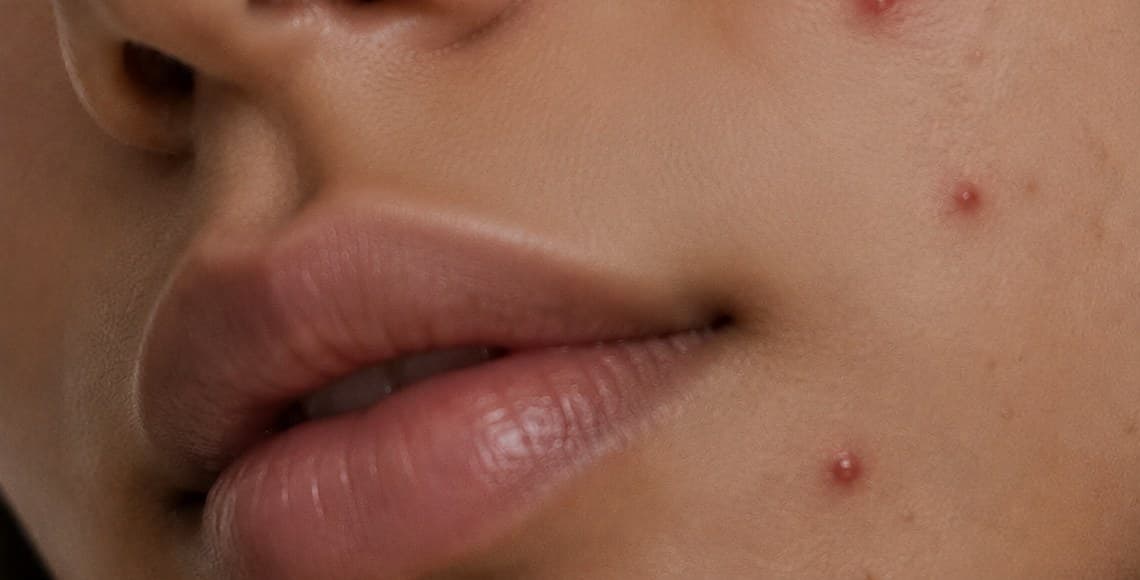
The Complete Guide to Acne: Myths, Mistakes and What Actually Works
Acne is one of the most common skin conditions in the world, and one of the most misunderstood. What causes it, what doesn't, and how to build a routine that works with your skin instead of against it.
Acne is one of the most common skin conditions in the world, yet it remains one of the most misunderstood. Between social media hacks, conflicting advice and aggressive products, many people unintentionally make their skin worse. This guide explains what acne really is, why it develops, and how to build a skincare routine that works with your skin — not against it.
What is acne?
Acne is a chronic inflammatory disease of the pilosebaceous unit — the hair follicle and oil gland. It develops when several biological processes occur together.
- Oil (sebum) production increases.
- Dead skin cells accumulate inside the follicle instead of shedding normally.
- The follicle becomes blocked, creating a comedone (blackhead or whitehead).
- Cutibacterium acnes, a normal skin bacterium, thrives inside the blocked follicle.
- The immune system responds with inflammation, resulting in red pimples, pustules or deeper cysts.
No single factor causes acne. It is a combination of genetics, hormones, inflammation and skin biology.
What doesn't cause acne
Many common beliefs about acne simply aren't supported by science.
Dirty skin. Acne is not caused by poor hygiene. Over-cleansing, scrubbing or using harsh products can damage the skin barrier, increasing irritation and making acne treatments more difficult to tolerate. Gentle cleansing twice daily is usually sufficient.
Chocolate. Chocolate itself has not been proven to cause acne. However, diets high in refined carbohydrates and foods with a high glycemic load may worsen acne in some individuals. Dairy products — particularly skim milk — may also contribute in susceptible people. Diet influences acne for some people, but it is rarely the sole cause.
Toothpaste. Toothpaste contains ingredients designed for teeth, not skin. It may temporarily dry a blemish but often causes irritation, burns and disruption of the skin barrier.
Scrubbing harder. Acne isn't caused by surface dirt. Aggressive scrubs, cleansing brushes and rough exfoliants create unnecessary irritation without treating the underlying cause.
What actually works
Successful acne treatment focuses on reducing inflammation while protecting the skin barrier. The evidence supports a short list of fundamentals.
- Gentle cleansing
- Daily moisturizer
- Broad-spectrum SPF
- Salicylic acid
- Niacinamide
- Professional treatment when appropriate — black carbon facial, detox hydrodermabrasion, microneedling, or laser resurfacing
Understanding your breakouts
- Blackheads — an open clogged pore. The dark colour isn't dirt; it develops when melanin and skin lipids oxidize after exposure to air.
- Whiteheads — a clogged pore that remains closed beneath the surface.
- Papules — small inflamed red bumps without visible pus.
- Pustules — inflamed lesions containing visible white or yellow pus.
- Nodules and cysts — deep inflammatory acne below the skin surface. These carry the highest risk of permanent scarring and often require medical treatment.
Protect your skin barrier
One of the biggest mistakes in acne care is trying to dry the skin out. Healthy skin requires ceramides, cholesterol, fatty acids and adequate hydration. A damaged barrier becomes more irritated, less tolerant of treatment and slower to heal. Supporting the barrier improves comfort and allows active ingredients to work more effectively.
Common mistakes we see
- Over-cleansing
- Skipping moisturizer
- Picking blemishes
- Using too many active ingredients at once
- Following social media hacks
- Expecting results within one week
Most evidence-based acne treatments require 8 to 12 weeks of consistent use before meaningful improvement is seen.
When should you seek professional care?
Consider a professional assessment if you have painful cystic acne, are developing acne scars, have persistent acne despite over-the-counter products, or think your breakouts may actually be rosacea, perioral dermatitis or Malassezia folliculitis (often called fungal acne).
Our clinical philosophy
At Salmon Arm Aesthetics, we don't believe in stripping or shocking the skin. Our approach focuses on restoring the skin barrier, reducing inflammation, choosing evidence-based ingredients, and creating simple, sustainable routines — helping skin become healthier, not just temporarily clearer.
Ready to build your routine?
Our nurse-led Acne Recovery Protocol lays out the exact steps — cleanse, hydrate, protect, SPF — with the products and treatments we recommend for acne-prone skin.
Still have questions?
Book a consultation at Salmon Arm Aesthetics for personalized, nurse-led advice based on your skin, goals, and medical history.
Keep reading
All articlesUnderstanding Rosacea: Symptoms & Triggers
Rosacea is a chronic inflammatory skin condition that causes persistent redness, flushing and sensitivity. There's no cure — but early recognition, gentle skincare and knowing your triggers can make a real difference.
Read articleSkincarePregnancy-Safe Skincare: What to Use and What to Avoid
Pregnancy hormones change how your skin behaves — oil, pigmentation, sensitivity and hydration all shift. Here's what's generally considered safe, what to avoid as a precaution, and why the advice online conflicts so often.
Read articleSkincareSleep & Skin: The Night Shift Your Skin Can't Afford to Miss
During the day your skin defends you. At night, those priorities shift to recovery. No product replaces a good night's sleep — but the right evening routine works with your skin's biology instead of against it.
Read article