
Skin concern
Rosacea & facial redness
Flushing, persistent redness and visible vessels — what tends to trigger it and how it's managed rather than cured.
What it actually is
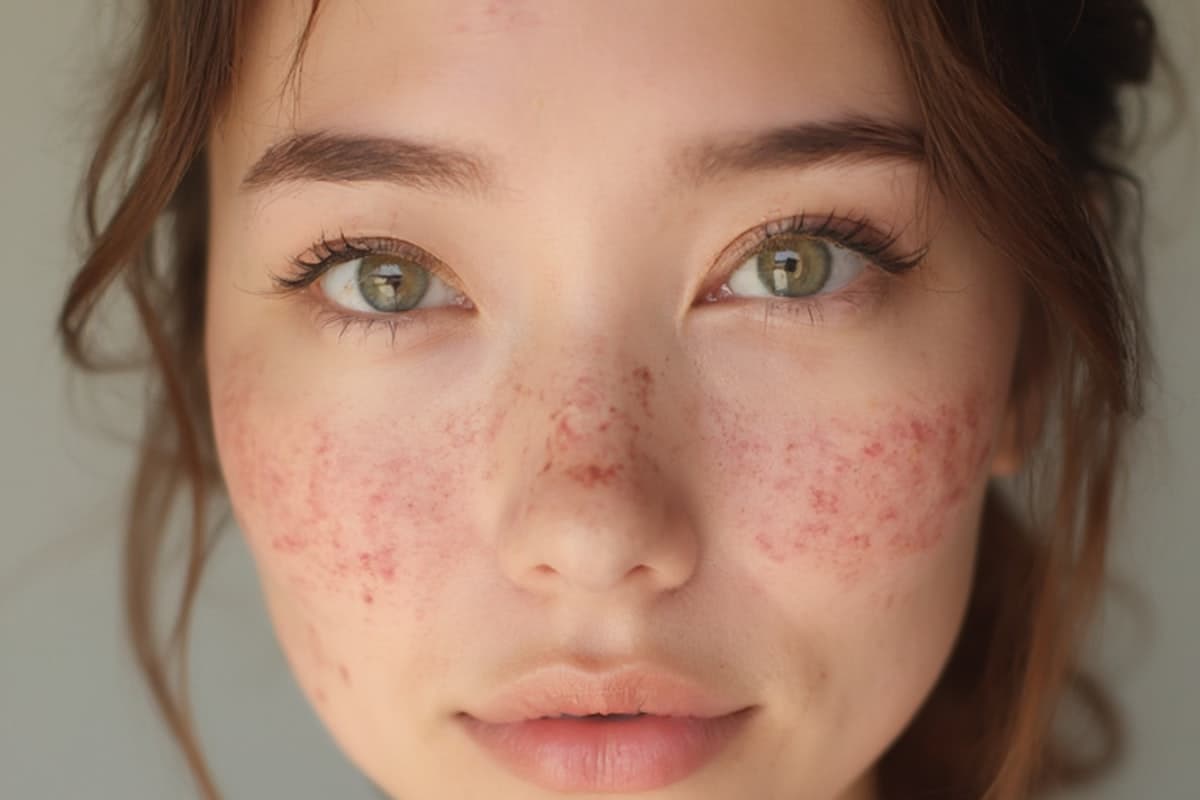
Rosacea is a chronic inflammatory condition affecting the central face. It typically begins as flushing that lasts longer each time, then becomes persistent redness, sometimes with visible vessels and inflammatory bumps that get mistaken for acne. It's a managed condition rather than a cured one — the aim is fewer flares, less baseline redness, and knowing your own triggers.
Why it happens
- Blood vessel reactivity in the central face
- Common triggers: heat, sun, alcohol, spicy food, stress, sudden temperature change
- A compromised skin barrier, which lowers the threshold for irritation
- Skincare that's too active — acids, scrubs and strong retinoids often aggravate it
What tends not to work
Rosacea isn't adult acne and generally doesn't respond to acne treatment — in fact, typical acne regimens often make it noticeably worse. It also isn't caused by poor hygiene or by drinking, though alcohol is a common trigger for flushing in people who already have it.
How we approach it
Barrier repair first: a lot of rosacea presents worse than it needs to because of an over-active skincare routine. Beyond that, treatment focuses on calming inflammation and reducing background redness, always alongside identifying your personal triggers and diligent daily sun protection — sun exposure is one of the most consistent aggravators.
When to see a doctor instead
See your physician if you have eye symptoms — grittiness, dryness or irritation can indicate ocular rosacea, which needs medical management — or if inflammatory bumps are severe, where prescription treatment is likely to be the more effective route.
From our journal
Trusted sources
- Rosacea (NHS)
- What is rosacea? (American Academy of Dermatology)
Treatment
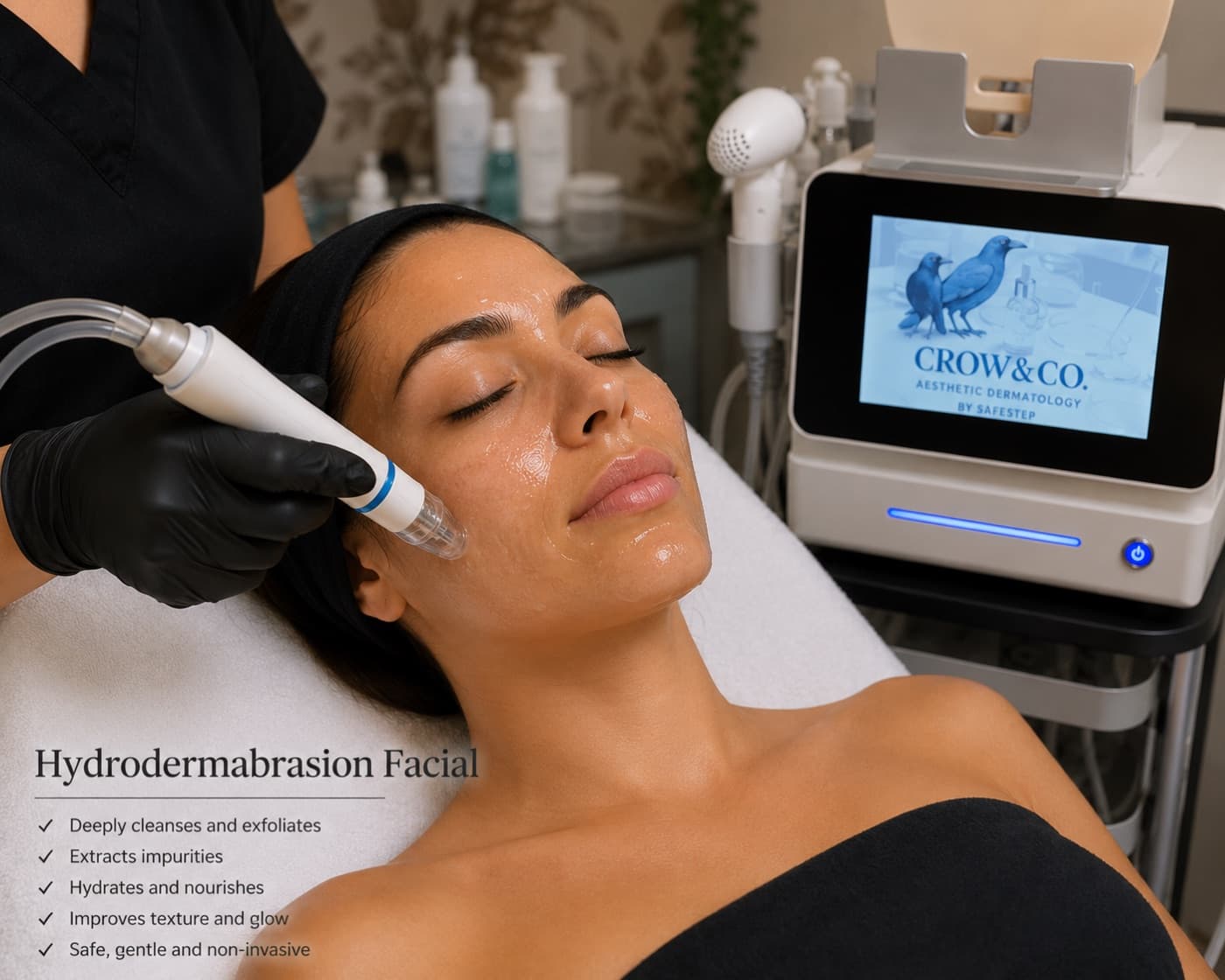
How we treat rosacea & facial redness
Every treatment is performed by Karilee Slubowski, LPN.
Questions
Rosacea & facial redness — common questions
- Can rosacea be cured?
- No, but it can be managed well. Most people can substantially reduce both flare frequency and baseline redness through trigger management, a gentle barrier-focused routine, daily sun protection and appropriate in-clinic treatment.
- Why does my skin sting when I use my usual products?
- Stinging usually signals a compromised barrier, which is common in rosacea. It's a reason to simplify the routine right down rather than push through — persistent irritation drives more of the inflammation you're trying to settle.
Not sure if this is what you have?
That’s what an assessment is for. Karilee Slubowski, LPNwill tell you what you’re actually dealing with — including when the answer is that you should see your physician instead.
Related: Acne & breakouts, Pigmentation & sun damage, Loose skin & fine lines